Pad Puzzle Pieces: Examining How Button Configurations Shape Mastery Curves in Precision Platformers
Klara Wolf · Oct 12, 2026
Pad Puzzle Pieces: Examining How Button Configurations Shape Mastery Curves in Precision Platformers
Button configurations in precision platformers determine how quickly players progress from initial attempts to consistent performance, and researchers have mapped these patterns across multiple titles released through October 2026. Data from input device studies shows that the placement of jump, dash, and grab functions on standard controllers creates distinct learning trajectories, with some layouts accelerating skill acquisition while others extend the time required for mastery. Observers note that games like Celeste and Super Meat Boy rely on tight timing windows, and the physical arrangement of inputs directly affects muscle memory development during repeated play sessions.
Core Elements of Button Mapping
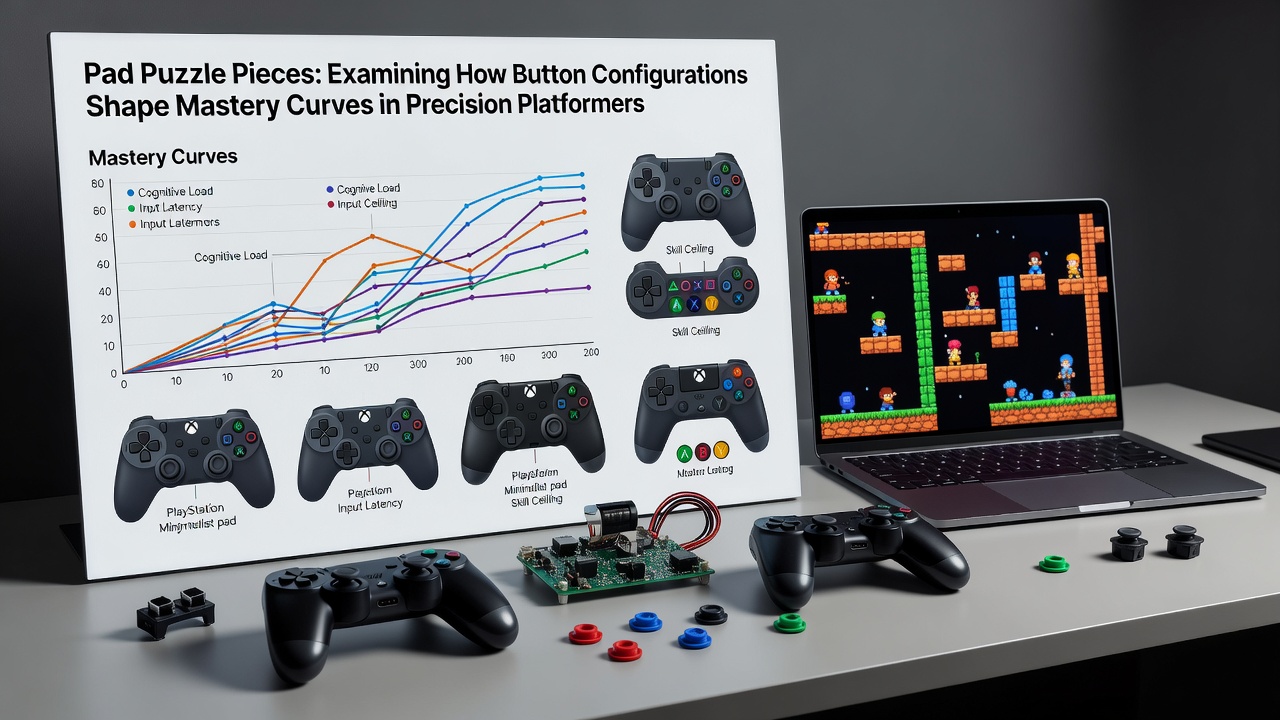
Precision platformers assign core actions to specific buttons, and this assignment shapes how players coordinate movements across levels filled with moving platforms and hazards. Studies indicate that configurations placing the primary jump action on the bottom face button reduce initial error rates compared to shoulder button placements, because thumb positioning aligns more naturally with downward presses during directional inputs. Those who've examined controller ergonomics find that analog stick versus D-pad choices further modify the curve, as players switching between the two often require additional sessions to stabilize precise short hops and wall climbs.
Industry reports from the Entertainment Software Association highlight that developers test multiple mappings during production, and results reveal measurable differences in completion times across test groups. When jump and dash share adjacent buttons, players execute chained actions with fewer misinputs once familiar with the layout, yet the initial adaptation phase lengthens when the same functions occupy distant positions on the controller face.
Tracking Mastery Curves Through Data
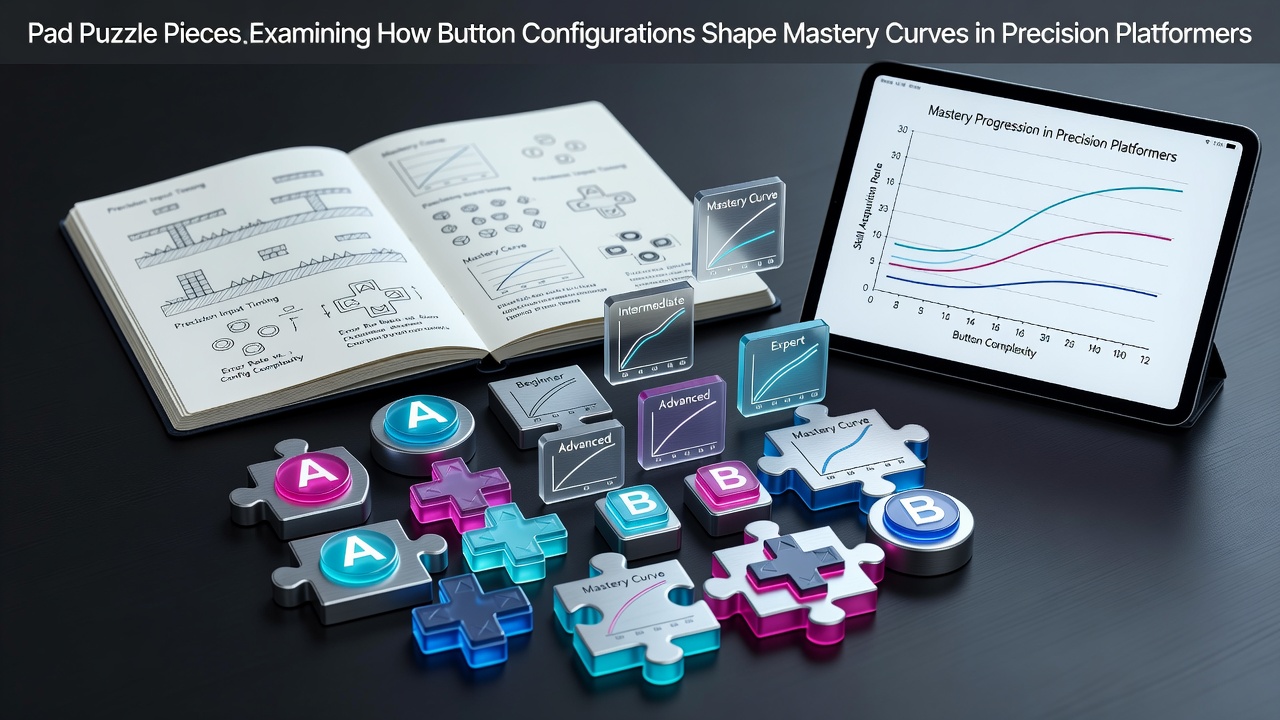
Mastery curves track the reduction in attempts needed to clear sections as players internalize timing and positioning, and button configurations alter the slope of these curves in measurable ways. Academic research from Canadian institutions demonstrates that layouts with dedicated modifier buttons for variable jump height allow faster refinement of control precision, because players receive clearer tactile feedback during each press. In contrast, shared-button systems demand more trial and error before the same level of consistency emerges.
Figures from recent platformer releases in 2026 show that players using default configurations reach sub-five-attempt clears on demanding segments after roughly twelve hours of practice, while remapped layouts shift that benchmark earlier or later depending on the reassignment. Observers note that remapping tools built into modern engines let individuals adjust defaults, and data collected through these features confirms that personal optimizations frequently compress the early portion of the mastery curve without eliminating later plateaus.
Case Examples Across Titles
Take one developer team that adjusted button priorities between two updates of a precision-focused release, and community telemetry revealed accelerated progress through mid-game sections after the change. Players adapted to the new arrangement within fewer sessions because the updated mapping aligned dash inputs with natural thumb arcs during left-to-right movement. Another example appears in cross-platform ports where controller differences between console versions produce distinct curve shapes, with handheld variants showing steeper early gains due to closer button proximity on smaller devices.
Researchers discovered that games incorporating both keyboard and controller support display parallel mastery patterns, although keyboard users often bypass certain physical constraints by binding actions to adjacent keys. This flexibility shortens the adaptation window for some players while introducing new variables around finger reach and simultaneous presses.
External Factors Influencing Adaptation
Hardware variations compound the effects of software mappings, and players switching between standard and pro controllers encounter additional recalibration periods. Data collected through tournament circuits indicates that those using extended shoulder buttons for secondary actions maintain tighter timing consistency once past the initial learning phase. Yet the transition period itself extends when the new hardware repositions critical inputs away from established muscle memory patterns.
Training routines documented in player communities often incorporate deliberate remapping drills, and these routines produce measurable improvements in completion consistency across multiple titles. Reports from university labs studying motor learning confirm that spaced repetition with varied button assignments strengthens transfer between different controller types, reducing the overall time spent on the plateau sections of the mastery curve.
Conclusion
Button configurations continue to serve as foundational elements that define how players build precision in platformer environments, and ongoing analysis through October 2026 tracks these relationships across new releases and hardware updates. Evidence from multiple sources shows consistent patterns where layout choices accelerate or delay skill milestones, while remapping options provide pathways for individual adjustment. Researchers and developers alike examine these dynamics to refine both game design and input hardware, ensuring that mastery remains accessible through deliberate configuration decisions.