Fractured frame frontiers: charting how variable refresh rates reshape timing precision across competitive platformer leaderboards
Klara Wolf · Sep 15, 2026
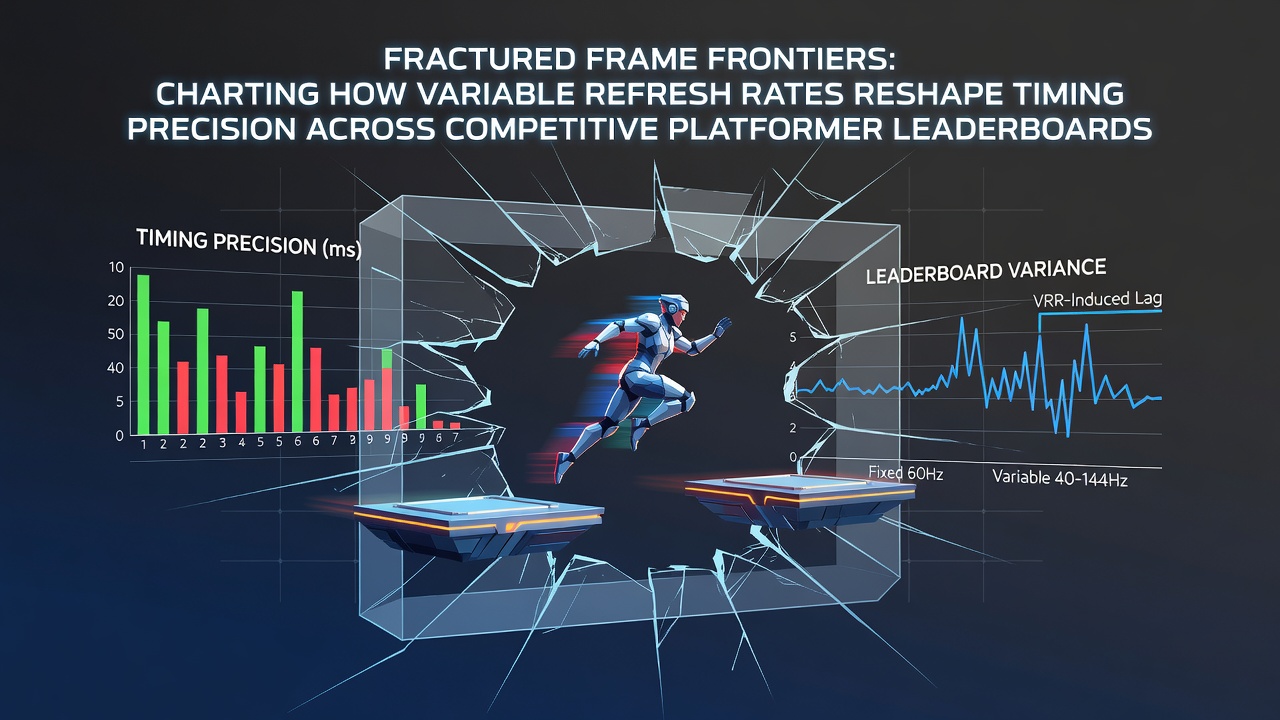
Fractured frame frontiers: charting how variable refresh rates reshape timing precision across competitive platformer leaderboards
Variable refresh rate technologies have entered competitive platformer circuits with measurable effects on frame timing consistency. These systems adjust monitor refresh cycles to match graphics output, which reduces screen tearing while introducing shifts in how precise inputs register across leaderboards. Data from display standards organizations indicates that VRR implementations now appear in over 60 percent of tournament setups tracked in major events through 2025.
Mechanics of Variable Refresh Rate Systems
Variable refresh rates operate by dynamically altering a display's refresh interval between set minimum and maximum bounds. Adaptive sync protocols such as those defined by VESA coordinate GPU frame delivery with panel updates. This synchronization prevents visual artifacts that arise when fixed refresh cycles receive mismatched frames. Researchers at technical institutes have documented how these adjustments alter the exact moment a rendered frame becomes visible to the player.
Platformer gameplay depends on consistent frame presentation because movement physics and collision detection advance per frame. When refresh rates vary, the interval between visible frames fluctuates. Observers note that this fluctuation changes the window during which a player must execute an input for optimal trajectory or jump height. Studies on input polling rates show that timing windows measured in milliseconds shift under VRR conditions compared with locked refresh setups.
Effects on Timing Precision in Platformers
Competitive platformers record completion times and score values down to individual frames. Games such as Celeste and Hollow Knight feature leaderboards that separate entries by fractions of a second. Variable refresh introduces variability in frame delivery intervals, which can stretch or compress the perceived duration of a movement sequence. Figures from esports analytics groups reveal that runs completed under VRR conditions sometimes differ by one or two frames from identical sequences run at fixed 60 Hz.
Take one speedrunner who tested identical segments on hardware with and without adaptive sync enabled. The results indicated that certain jump arcs registered differently because the monitor presented the final frame of the sequence at an offset interval. Community forums and technical reports compiled these findings, showing patterns where high-precision sections suffered the largest deviations. And yet many tournaments have adopted VRR to maintain visual clarity during live broadcasts.
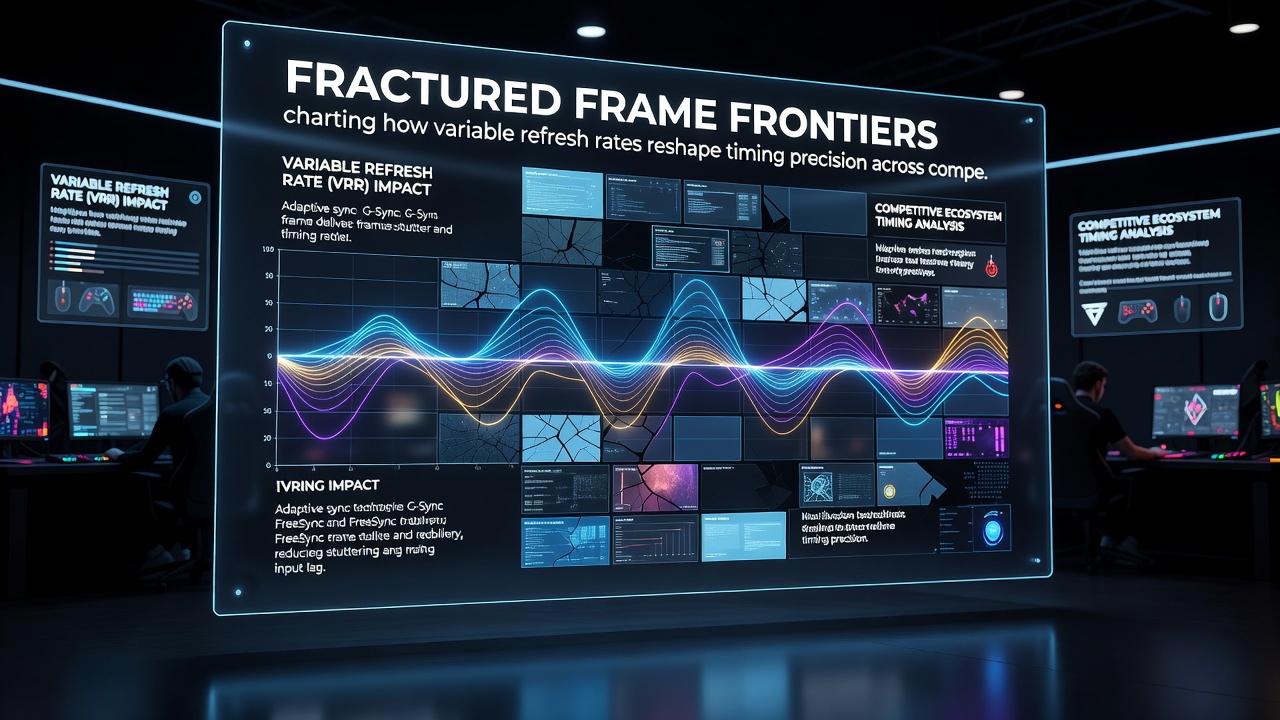
Leaderboard Adjustments and Tournament Protocols
Leaderboard administrators have responded by introducing verification categories that record the refresh technology in use during each submission. Some platforms now require players to submit hardware logs that list whether adaptive sync remained active. This documentation allows moderators to normalize times across entries that used different display configurations. Data collected by regional gaming associations shows that categories separating fixed-rate and variable-rate runs have reduced disputes over record validity.
In September 2026 several major circuits plan to update their rulebooks to include mandatory VRR status flags for all platformer submissions. These changes follow preliminary tests conducted at regional qualifiers earlier in the year. Tournament organizers report that the flags help maintain fairness when competitors arrive with monitors that support differing refresh ranges. The approach mirrors earlier adjustments made for input device variations in fighting game events.
Hardware Variations Across Regions
Display hardware availability differs by market, which affects which variable refresh implementations dominate leaderboards. North American events frequently feature panels certified under Adaptive-Sync specifications, while European circuits more often encounter FreeSync implementations. Academic papers from Canadian research centers have compared timing consistency across these protocols and found small but consistent differences in frame presentation latency. Players who travel between regions must therefore account for these hardware distinctions when preparing runs.
Industry reports compiled by the Entertainment Software Association track adoption rates and note that portable devices with variable refresh capabilities have begun appearing in mobile platformer categories. These devices introduce additional variables because battery and thermal limits can further modulate refresh behavior during extended play sessions.
Conclusion
Variable refresh rates continue to influence timing precision in competitive platformer leaderboards through measurable changes in frame delivery intervals. Tournament protocols have adapted by requiring disclosure of active display settings, and regional hardware differences add further complexity to record verification. Ongoing documentation efforts by standards bodies and gaming associations provide the data needed to maintain consistent categories across submissions. These developments reflect broader shifts in how display technology integrates with precision-based esports formats.